
If you want to change language to the article click on “Select your language” on the right side of the screen if you’re on desktop or at the bottom of the page if you’re on tablet or mobile.
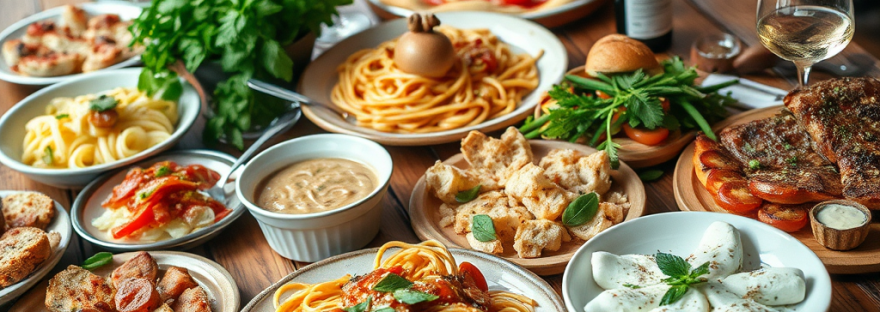
Very often in class, when I talk to my students, the topic of “Italian food” comes up. It’s one of the first things that come to mind when thinking about Italy, which is known worldwide for its food culture. It represents a sensory experience that engages taste, smell, and sight, don’t you agree? 😉
Here, food is much more than just nourishment: it is an opportunity to socialize and share special moments with family and friends.
Therefore, to fully appreciate Italian cuisine, it is important to know some terms and expressions used in this field.
This article provides a brief guide to Italian culinary vocabulary, useful both for those who want to order in a restaurant and for those who wish to deepen their knowledge of Italian culture and language.
The Most Famous Dishes and Regional Specialties
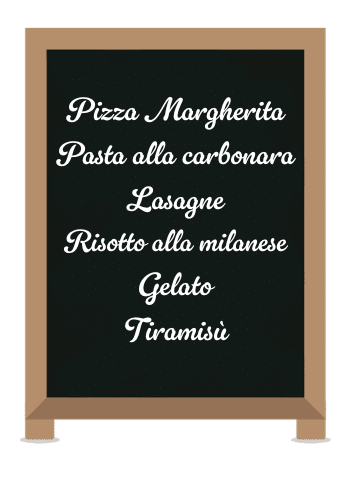
When it comes to Italian cuisine, the mind immediately goes to the delicious dishes and delicacies that have made Italian gastronomy famous worldwide. Among the most famous Italian dishes are:
However, Italian cuisine is much more than these iconic dishes: each Italian region has its culinary specialties, which are based on the availability of local ingredients and the culinary traditions of the area. For example, Tuscan cuisine is famous for:

Bistecca alla fiorentina: https://ricette.giallozafferano.it/Bistecca-alla-fiorentina.html
Ribollita: https://ricette.giallozafferano.it/Ribollita.html
Pane toscano: https://blog.giallozafferano.it/sarabuonodavvero/pane-toscano-con-lievito-madre/?doing_wp_cron=1745002000.2328019142150878906250
while Sicilian cuisine is renowned for:
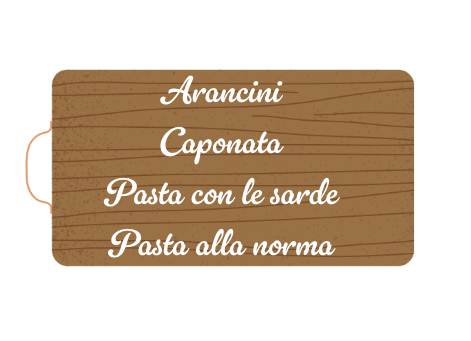
Arancini: https://ricette.giallozafferano.it/Arancini-di-riso.html
Caponata: https://ricette.giallozafferano.it/Caponata.html
Pasta con le sarde: https://ricette.giallozafferano.it/Pasta-con-le-sarde.html
Pasta alla Norma: https://ricette.giallozafferano.it/Spaghetti-alla-Norma.html
The Emilian cuisine is famous for its:
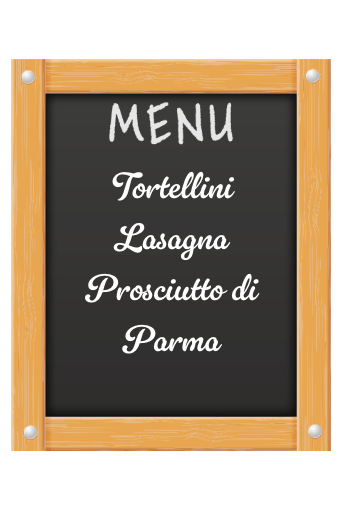
Tortellini: https://ricette.giallozafferano.it/Tortellini.html
Lasagna: https://ricette.giallozafferano.it/Lasagne-alla-Bolognese.html
Prosciutto di Parma: https://www.salsamenteriadiparma.com/prosciutto-parma-storia/
While Venetian cuisine offers dishes such as:
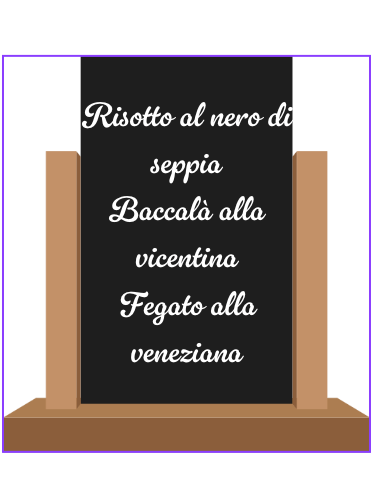
Risotto al nero di seppia: https://ricette.giallozafferano.it/Risotto-al-nero-di-seppia.html
Baccalà alla vicentina: https://ricette.giallozafferano.it/Baccala-alla-vicentina.html
Fegato alla veneziana: https://ricette.giallozafferano.it/Fegato-alla-veneziana.html
La cucina campana, instead, offers specialties such as
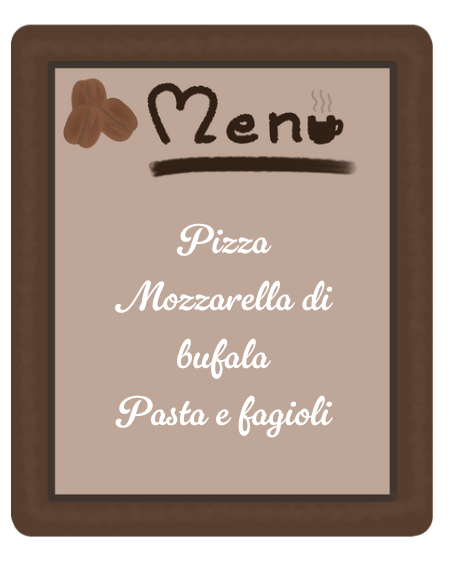
Mozzarella di Bufala: https://www.agricolapiandelmedico.it/mozzarella-di-bufala-piandelmedico/
Pasta e fagioli: https://ricette.giallozafferano.it/Pasta-e-fagioli-alla-napoletana.html
While Pugliese cuisine is renowned for
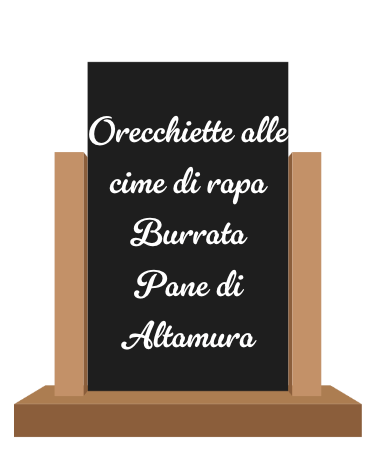
Orecchiette alle cime di rapa: https://ricette.giallozafferano.it/Orecchiette-con-le-cime-di-rapa.html
Burrata: https://gourmetaly.com/it/burrata-e-mozzarella/
Pane di Altamura: https://www.laterradipuglia.it/gli-itinerari/le-aree-della-puglia/le-murge/altamura/il-pane-di-altamura
The Italian gastronomic tradition is ancient and deeply rooted in Italian culture. Italian recipes are often passed down from generation to generation, thus keeping alive the traditions and culinary culture of the country. In other words, it represents a cultural heritage of immeasurable value.
The Vocabulary of Italian Cuisine
To fully appreciate Italian cuisine, it is important to know the terms and expressions used in this field. In this section, we will explore the vocabulary of Italian cooking, focusing on the terms used to describe flavors, cuts of meat and fish, different types of pasta and rice, sauces, and seasonings.
Describing the Flavors
The terms used to describe flavors are essential for understanding the taste and texture of Italian dishes.
For example, the term  refers to pasta that is cooked but still slightly firm to the bite, while
  indicates that the pasta has been overcooked. The terms
  and
and  refer to the flavors that characterize dishes, while
  and
and  describe more intense and assertive flavors, the first being sugar-free and the second, for example, the taste of lemon.
There are also specific terms to describe the texture of dishes, such as  , which refers to dishes with a smooth and homogeneous texture, like pumpkin puree. In contrast,
  describes a crunchy and crumbly texture, such as cookies. Other common terms for describing flavors include
  , which indicates a spicy and piquant flavor, and
  , which refers to dishes made with fresh ingredients like tomatoes or aromatic herbs.
Cuts of Meat and Fish
The cuts of meat and fish are a fundamental aspect of Italian cuisine. Choosing the right cut of meat or fish can make the difference between a mediocre dish and an excellent one. For example, the  is one of the most prized and sought-after cuts, thanks to its tenderness and its low fat content. However, there are also other lesser-known but equally tasty cuts, such as
  ,
,  ,
,  , a pork sausage typical of Emilian cuisine.
Choosing fish can also be an equally rewarding experience. In Italy, there are many different types of fish, with flesh of various textures and flavors. For example,  is one of the most beloved fish in Italian cuisine, thanks to its delicate and flavorful flesh. However, there are also other lesser-known fish that are just as delicious, such as
  .
.
Knowing the different cuts of meat and fish is a way to discover and appreciate the many traditional recipes of Italian cuisine, which often creatively and deliciously utilize these ingredients.
Types of Pasta and Rice
The various types of pasta and rice represent a true excellence of Italian cuisine. Not only that, they are also considered an authentic cultural heritage of Italy, thanks to their variety and multiple nuances. Each type of pasta or rice is indeed characterized by unique and unmistakable shapes, textures, and flavors, which lend themselves to numerous combinations and preparations.
For example, the  like
like  is typical of northern Italy and pairs perfectly with meat sauces or ragù, while the
  , like
  , is often paired with tomato or vegetable-based sauces.
The  , on the other hand, is a rice dish typical of northern Italy, characterized by a creamy and fragrant consistency, enriched with ingredients such as porcini mushrooms, saffron, asparagus, or cheese.
Sauces and Condiments
Sauces and condiments represent the final piece of the vast vocabulary of Italian cuisine. These elements are used to enrich and flavor dishes, giving them a touch of taste and personality. Each sauce and condiment is characterized by a unique flavor and aroma, which lends itself to different culinary pairings.
For example,  pesto is a very versatile and appreciated sauce made with fresh basil, pine nuts, garlic, extra virgin olive oil, and grated cheese. Due to its intense and aromatic flavor, pesto is often used to dress pasta, but it can also be used to enhance pizzas, bruschettas, appetizers, and meat or fish dishes.
 , on the other hand, is a condiment made from aged wine vinegar, which comes in varying degrees of density and sweetness. Because of its sweet and sour flavor, balsamic is perfect for flavoring salads, but it also lends itself to enriching sauces, marinades, grilled vegetables, and white meats.
Others include the very famous , or
, or  and many others.
I’ll stop here; this was just meant to be a very brief introduction to this vast world.
But practicing the Italian language through food and cooking can be a fun and interesting way to improve your linguistic and cultural skills.
If you want to delve deeper into the topic, here’s the link to do so with me 😊
Let me know in the comments what your favorite Italian dish is!
Alla prossima! See you next time! 👋

 Dillo in Italiano